The Future of Car Interfaces
We are moving away from static screens into predictive interfaces. This shift represents a fundamental change in how we interact with machines, moving from explicit command-control loops to intent-based interactions.
The Problem with Touch
Touch screens in cars require visual attention. This is dangerous. When a driver looks at a screen to adjust the climate control or change a song, their eyes are off the road.
“The best interface is no interface. It is an interface that is invisible to the user.” — Golden Krishna
Key Challenges
- Cognitive Load: Processing complex menus while driving.
- Motor Precision: Hitting small touch targets on a moving surface.
- Latency: Delays in system response breaking the feedback loop.
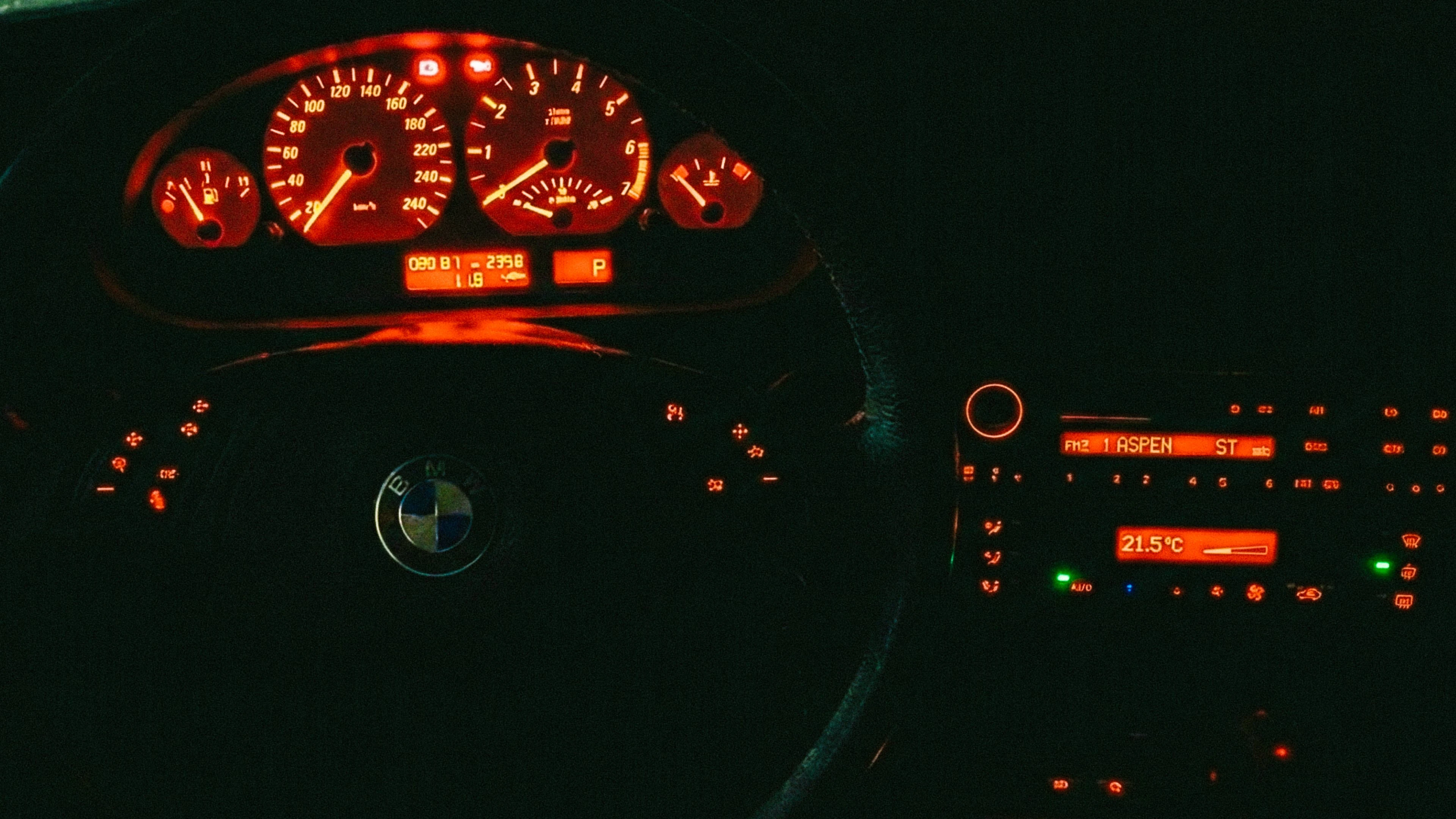
Visual Evidence
Code Analysis
We can model driver attention using simple decay functions. Here is a conceptual representation in Python:
def calculate_attention_decay(time_on_screen):
    """
    Calculates the decay of driver attention on the road
    based on time spent looking at the screen.
    """
    base_attention = 1.0
    decay_rate = 0.15 # 15% loss per second

    current_attention = base_attention * ((1 - decay_rate) ** time_on_screen)
    return max(0, current_attention)

# Example usage
print(f"Attention after 2s: {calculate_attention_decay(2):.2f}")
Proposed Solutions
We need to rely more on voice and haptic feedback.
- Voice: Natural language processing allows for complex commands without visual distraction.
- Haptics: Physical feedback confirms actions without needing a glance.
- HUDs: Heads-Up Displays keep information in the driver’s line of sight.
Comparison Table
| Interface Type | Visual Demand | Cognitive Load | Error Rate |
|---|---|---|---|
| Touch Screen | High | High | Medium |
| Physical Buttons | Low | Low | Low |
| Voice Control | None | Medium | High (Noise) |
| Predictive AI | None | None | Low |
Conclusion
The future isn’t about bigger screens; it’s about smarter systems that know what you need before you ask.